Estimated Read Time: 7–9 Minutes
A home can look perfectly acceptable while someone is living in it. Then the furniture leaves.
The sofa was hiding a damaged baseboard. The bed covered an old wall repair. A rug concealed flooring damage. Closets empty, doors get tested, appliances move, and suddenly a list of “small things” appears all at once.
That is what makes a property turnover different from ordinary home repairs.
A move-in or move-out compresses inspection, repairs, painting, cleaning, moving, deliveries, deadlines, and the next occupant into a very short period. Whether the property is being sold, rented, or prepared for a new owner, the goal should be the same:
The right scope. The right investment. The right timing.
Why Property Turnovers Matter in Central Florida
Central Florida homes deal with heat, humidity, heavy rain, storms, pests, and intense UV exposure in addition to everyday wear. Once belongings are removed, moisture staining, failed caulk, damaged trim, flooring problems, drywall repairs, and other conditions can become much easier to see.
But finding the work is only the beginning.
The more important question is:
What does this property need to accomplish next?
A seller may need a home that is clean, functional, neutral, and less likely to create unnecessary buyer objections.
A landlord may need a rent-ready property that balances vacancy time, durability, repeatability, and cost.
A buyer planning to stay for years may want better materials and more complete repairs because they will personally receive the long-term benefit.
A Realtor may simply need the repair portion of a transaction turned into a clear, manageable scope before photography, inspection deadlines, final walkthrough, or closing.
None of those approaches is better than another.
They simply have different finish lines.
Key Benefits
A well-planned property turnover, rental make-ready, move-in repair, or move-out repair can provide:
- Fewer last-minute surprises before listing, leasing, closing, or occupancy.
- Better use of an empty property, when walls, floors, trim, closets, and fixtures are easier to reach.
- Smarter spending based on what the property needs next rather than automatically upgrading everything.
- Less duplicated work by putting repairs, painting, flooring, cleaning, and moving in the right order.
- More scheduling flexibility, especially when known work is identified before the property becomes vacant.
- A cleaner handoff between seller and buyer, landlord and tenant, or outgoing and incoming occupants.
Potential Drawbacks to Consider
Turnovers become difficult when too many decisions are left until moving day.
- Hidden conditions can expand the scope. Empty rooms may reveal drywall damage, moisture problems, pest activity, deteriorated trim, damaged flooring, or previous repairs that were never properly completed.
- Over-improving can waste money. A seller or investor may receive little benefit from premium finishes the next owner plans to change.
- Under-improving can create doubt. Several small neglected repairs can make a buyer or tenant wonder what else has not been maintained.
- Poor sequencing creates rework. Final cleaning before drywall sanding or moving furniture through freshly completed rooms can mean doing work twice.
- Waiting reduces your options. Once the deadline takes control, contractor availability, material selection, and repair choices can become much more limited.
What Drives the Cost of Property Turnover Services
Most rental turnovers, tenant turnovers, move-in/move-out repairs, make-ready services, pre-listing repairs, and inspection repair projects come down to three factors:
Condition. Destination. Deadline.
- Condition is what the property actually needs once belongings are removed.
- Destination is what happens next: sale, rental, or long-term ownership.
- Deadline determines how much usable time exists to get there.
The deadline is often underestimated.
Rental turnovers commonly concentrate around month-end. One tenant moves out as the month ends, while another expects to move in shortly afterward. That means multiple landlords and property managers may all be looking for painters, repair professionals, cleaners, flooring contractors, and other trades during the same narrow window.
The property owner may have known for weeks that a tenant was leaving but waits for the keys before calling.
Then damage is discovered, the next lease starts in several days, and contractor schedules are already committed.
The turnover may happen at month-end. The planning should not start at month-end.
You may not know the final repair list in advance, but known work can be discussed, likely materials considered, and contractor capacity planned before the property becomes vacant.
Home sales occur throughout the month, but sellers, buyers, and Realtors face their own deadlines through listing photography, inspections, repair periods, final walkthroughs, closing, movers, and possession.
Planning early gives you more choices when something unexpected appears.
Typical Cost Breakdown
At the time of publishing, turnover costs are better understood by scope than by multiplying an hourly handyman rate.
Current 2026 Orlando benchmarks show why. A typical handyman repair project averages around $400, while drywall repair averages close to $600. Painting a single room can exceed $1,600, and whole-home interior painting is commonly estimated around $2–$6 per square foot. For a roughly 2,300-square-foot home, that alone can place interior painting around $4,600–$13,000, depending on preparation, trim, ceilings, layout, and finish level.
Now combine several categories:
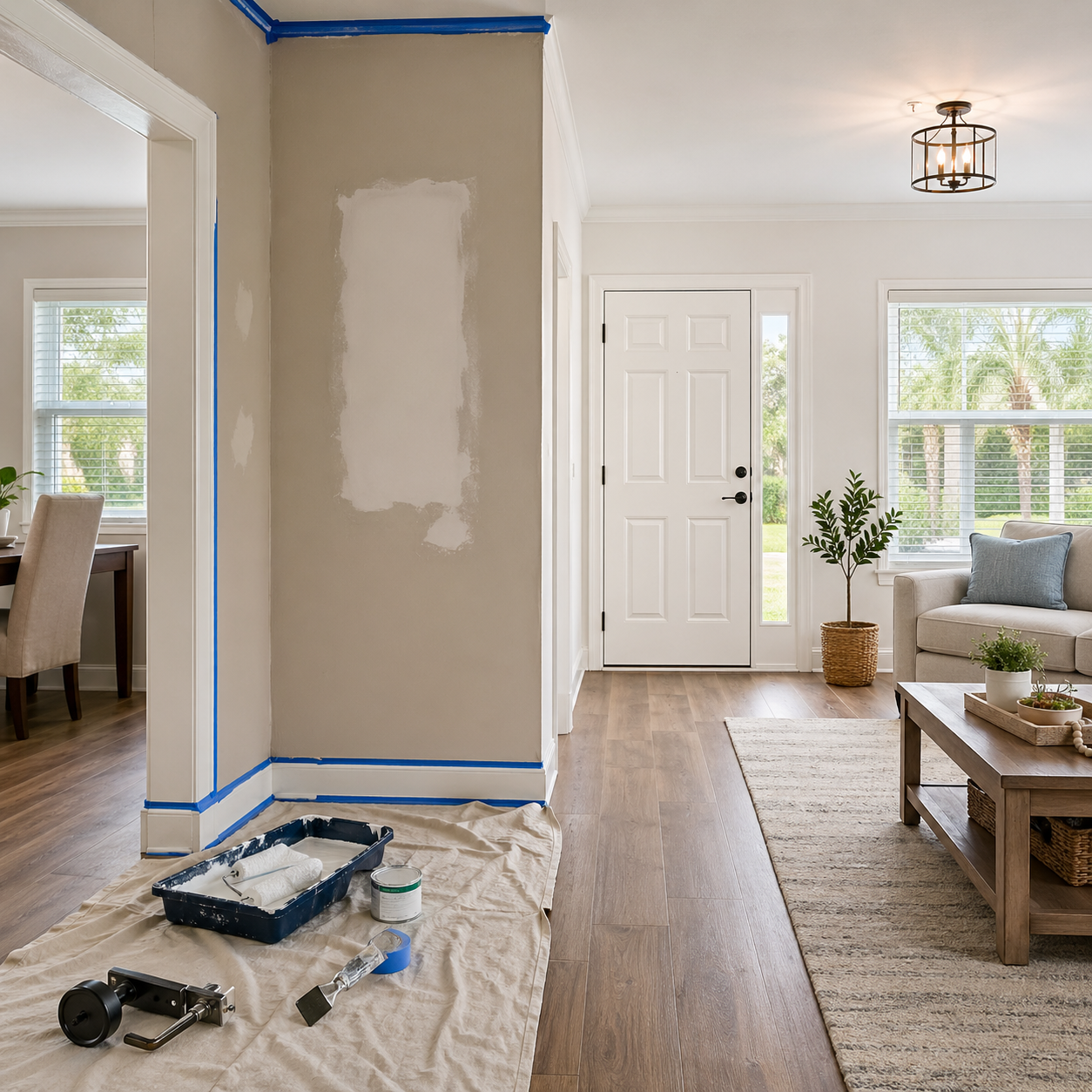
- Repair and reset: drywall, doors, trim, caulk, hardware, screens, shelving, and minor carpentry.
- Paint and finishes: patching, preparation, walls, ceilings, trim, and touch-ups.
- Make-ready work: damaged fixtures, flooring repairs, pressure washing, and presentation items.
- Move-in improvements: shelving, hardware, TV mounting, accessibility improvements, and personalization.
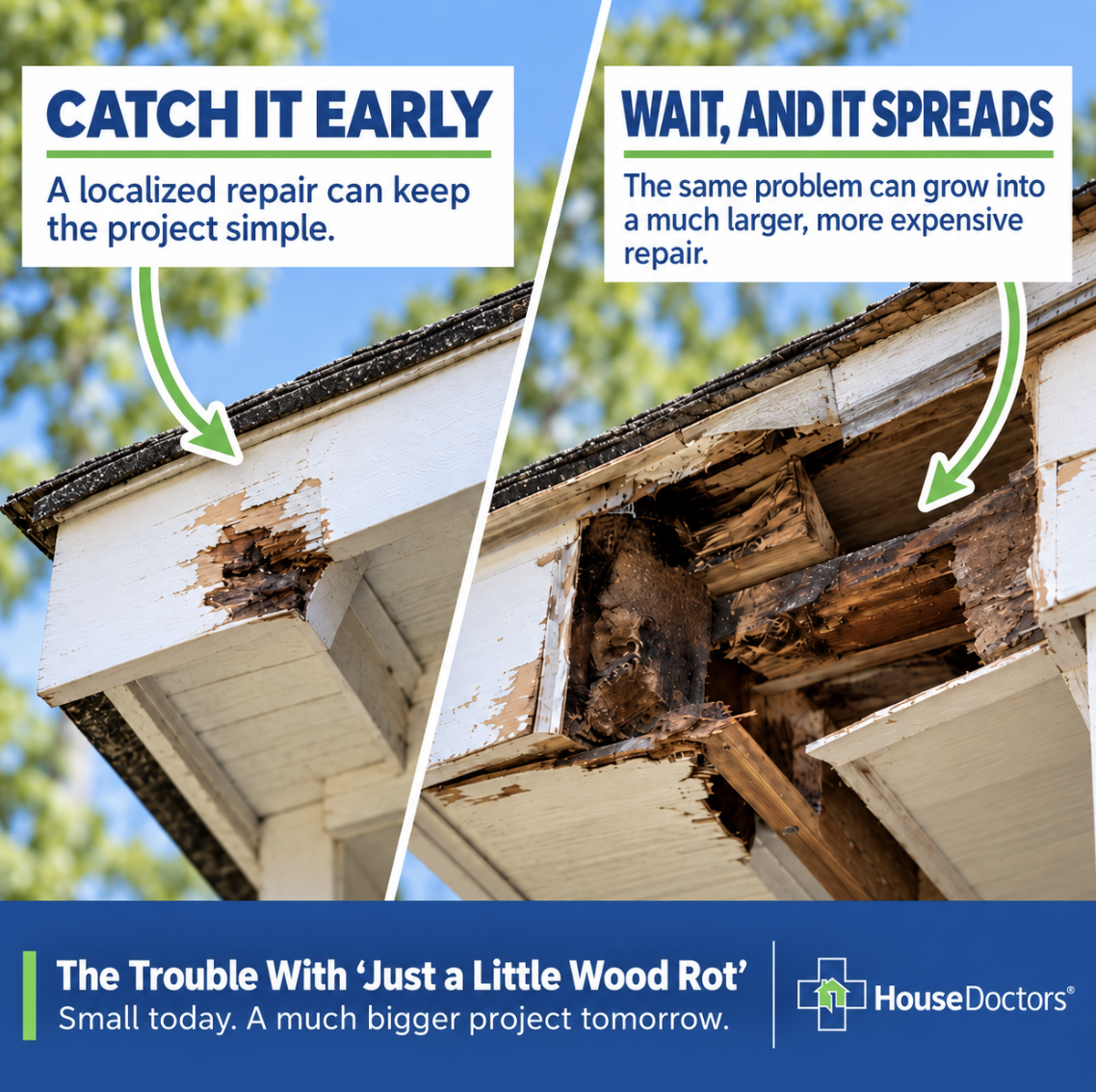
- Hidden-condition work: moisture damage, deteriorated surfaces, pest damage, rot, or failed previous repairs.
A turnover that begins as “some paint and a punch list” can therefore become a several-thousand-dollar project—or more—once multiple rooms, repairs, materials, and hidden conditions are combined.
The objective is not to spend more.
It is to spend deliberately.
Common Property Turnover Options & Choosing the Right System
Transfer-Ready
Often the right approach for sellers and investors.
The goal is clean, functional, presentable, and broadly appealing.
A seller does not necessarily need to make a home perfect. More often, the objective is to remove avoidable objections.
A broken handle, unfinished drywall patch, damaged trim, or obviously neglected repair may cost relatively little to correct but can trigger a much bigger question in a buyer's mind:
“If they didn't fix this, what else didn't they maintain?”
That is where sensible pre-listing repairs and seller punch-list work can matter without turning the house into an unnecessary remodel.
Rent-Ready
For landlords and property managers, the goal is safe, functional, durable, repeatable, and ready to earn again.
The lowest-cost product is not always the lowest-cost decision. A better-performing paint, door component, fixture, or high-wear item may reduce repeat service calls and future turnover expense.
Standardization also helps. Consistent paint colors, hardware, fixtures, and other commonly replaced materials can make future rental turnover repairs faster and easier to manage.
Ownership-Ready
For buyers, an empty house creates a temporary logistical advantage.
If you already expect to paint, repair drywall, replace flooring, work on closets, install shelving, or change trim, doing it before beds, furniture, boxes, pets, and everyday life arrive can make the project much easier.
Here, longer-lasting materials and more complete repairs can make sense because you will be the person receiving the benefit.
Decision Guide: What Should You Fix During a Move-In or Move-Out?
What must the property accomplish next? Sale-ready, rent-ready, and ownership-ready require different scopes.
What affects safety or function? Those items should generally come before cosmetic preferences.
What could interfere with the sale, lease, inspection, walkthrough, closing, or move-in?
What becomes harder after furniture arrives? Flooring, whole-room painting, drywall, trim, and closet work are good examples.
Where will greater durability reduce future cost?
What is the next occupant likely to change anyway? Avoid expensive improvements that add little value to the handoff.
Is the work sequenced correctly? A typical turnover may move from repair and drywall work to painting, finish work, final cleaning, and then move-in.
Could turnover staging create more usable time? This is not decorating a home for sale. Turnover staging means controlling where belongings are located so movers, contractors, cleaners, and occupants are not competing for the same space. A temporary storage container or carefully managed garage area can sometimes create valuable working access.
Was contractor capacity considered early enough? This becomes particularly important around month-end rental turnovers.
Long-Term Ownership & Maintenance
A turnover should finish with more than completed repairs.
Before photography, closing, tenant occupancy, or move-in, conduct a final walkthrough. Check completed work, doors, hardware, fixtures, debris, cleaning, and any remaining punch-list items.
For landlords, documentation and standardized materials can make the next turnover easier.
For buyers, the empty-home period is an opportunity to correct previous shortcuts instead of simply covering them with new finishes.
For Realtors and sellers, a coordinated inspection repair or pre-listing repair scope can remove one more source of friction from an already time-sensitive transaction.
And throughout Central Florida, recurring staining, failed sealants, pest activity, or moisture damage deserves more than a cosmetic repair. A fresh surface does not correct the condition that damaged what was underneath it.
Conclusion
A property turnover may only occupy a few days on the calendar, but those days can contain a surprising number of moving parts.
The best turnover is rarely the one where everything gets replaced. It is not automatically the one completed for the lowest possible cost either.
It is the one where the property is prepared deliberately for whoever comes next, the repair scope matches that goal, and planning begins early enough for the work to happen in the right order.
That is how House Doctors of Orlando approaches move-in repairs, move-out repairs, rental turnovers, make-ready work, seller punch lists, and buyer move-in projects across Central Florida.
Because once moving day arrives, the clock is already running.