Estimated Read Time: 9–11 Minutes
Why Turnover Repairs Matter in Central Florida
When a property needs to be ready for a new tenant, a buyer, listing photos, an inspection, or a final walkthrough, the clock starts working against the owner.
A damaged door, tired paint, broken screen, loose trim, stained caulk, or patched-but-unpainted wall may seem small by itself. But when enough of those small issues stack up, the home starts telling a story.
Sometimes that story is:
“This property has not been cared for.”
That matters, especially in Central Florida.
Homes here take a beating from heat, humidity, UV exposure, heavy rain, storms, pests, and everyday wear. Exterior caulk dries out. Screens tear. Doors swell. Trim softens. Paint fades. Moisture finds small openings. What looked acceptable a year ago can start looking tired quickly.
Most buyers and tenants are not construction experts. They may not know exactly why a home feels tired, but they feel it. Sticking doors, marked walls, stained caulk, loose trim, old paint, and broken screens quietly add up.
There is also another reality sellers and landlords cannot ignore: Central Florida has a lot of newer housing. Buyers and renters may tour an older resale or rental in the morning, then walk into a new-build model home or freshly renovated rental that same afternoon.
That contrast can be brutal.
The newer property smells fresh. The paint is clean. The doors close properly. The trim is crisp. The lighting works. The caulk lines are neat. The builder or property owner may be offering incentives, move-in specials, warranties, or other reasons to say yes.
An older home does not need to become a model home. But it cannot afford to look neglected.
That is where turnover repairs matter.
A turnover is not just a punch list. It is a time-sensitive property readiness decision. The goal is not to hide the age of the home or cover up problems. The goal is to decide which repairs protect value, improve function, reduce doubt, and help the property move into its next chapter responsibly.
Key Benefits
- Faster readiness: A clear turnover repair plan can reduce vacancy time, listing delays, and last-minute scrambling.
- Better first impressions: A clean, functional, well-maintained home gives buyers and renters more confidence.
- Fewer easy objections: Damaged walls, bad paint, broken screens, loose doors, and worn caulk give people reasons to hesitate, negotiate, or move on.
- One trusted contact: Owners have jobs, families, school schedules, tenants, agents, and everyday life to manage. A single repair partner can handle multiple small-to-medium repairs so the owner is not forced to chase vendors, compare schedules, and become the project manager.
- Speed to quote: In turnover work, fast decision-making matters. Owners often need a clear scope quickly so they can decide whether to move forward.
- Proper repair standards: Turnover work should not be about doing the least possible. The goal is to repair items so they are clean, safe, functional, and able to perform as intended.
- Inspection support: Pre-sale repairs can reduce obvious findings before inspection and help address follow-up items afterward.
- Better value protection: Targeted repairs can help a home compete more confidently without pretending to control the final sale price.
- Follow-through: If a buyer, inspector, agent, or tenant finds something after the first punch list, the right partner is still there to help.
Potential Drawbacks to Consider
- Repairs do not guarantee a higher sale price: A repair package can improve condition and presentation, but it cannot control the market.
- Over-improving is a real risk: Spending $25,000 does not make sense if the likely market benefit is only $20,000.
- Under-repairing can also be expensive: Skipping a $20,000 readiness package may hurt if the home sells $40,000 or $50,000 below what it might have achieved in better condition.
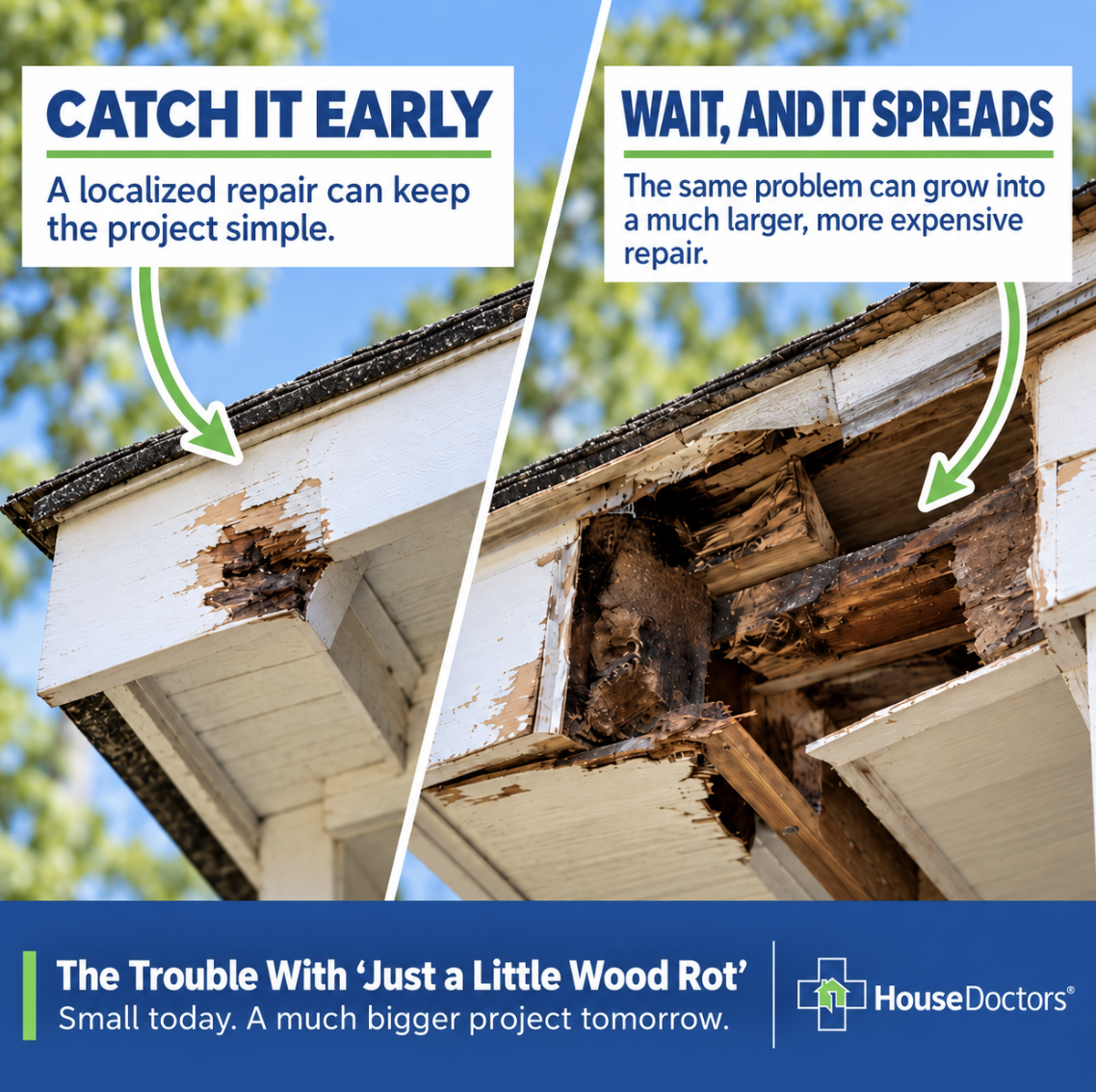
- Scope can grow once work begins: Hidden moisture damage, soft trim, old leaks, pest damage, or poor previous repairs can expand the project.
- Fast timelines can increase pressure: Listing dates, tenant move-ins, photography, inspection deadlines, and closing dates leave less room for slow decisions.
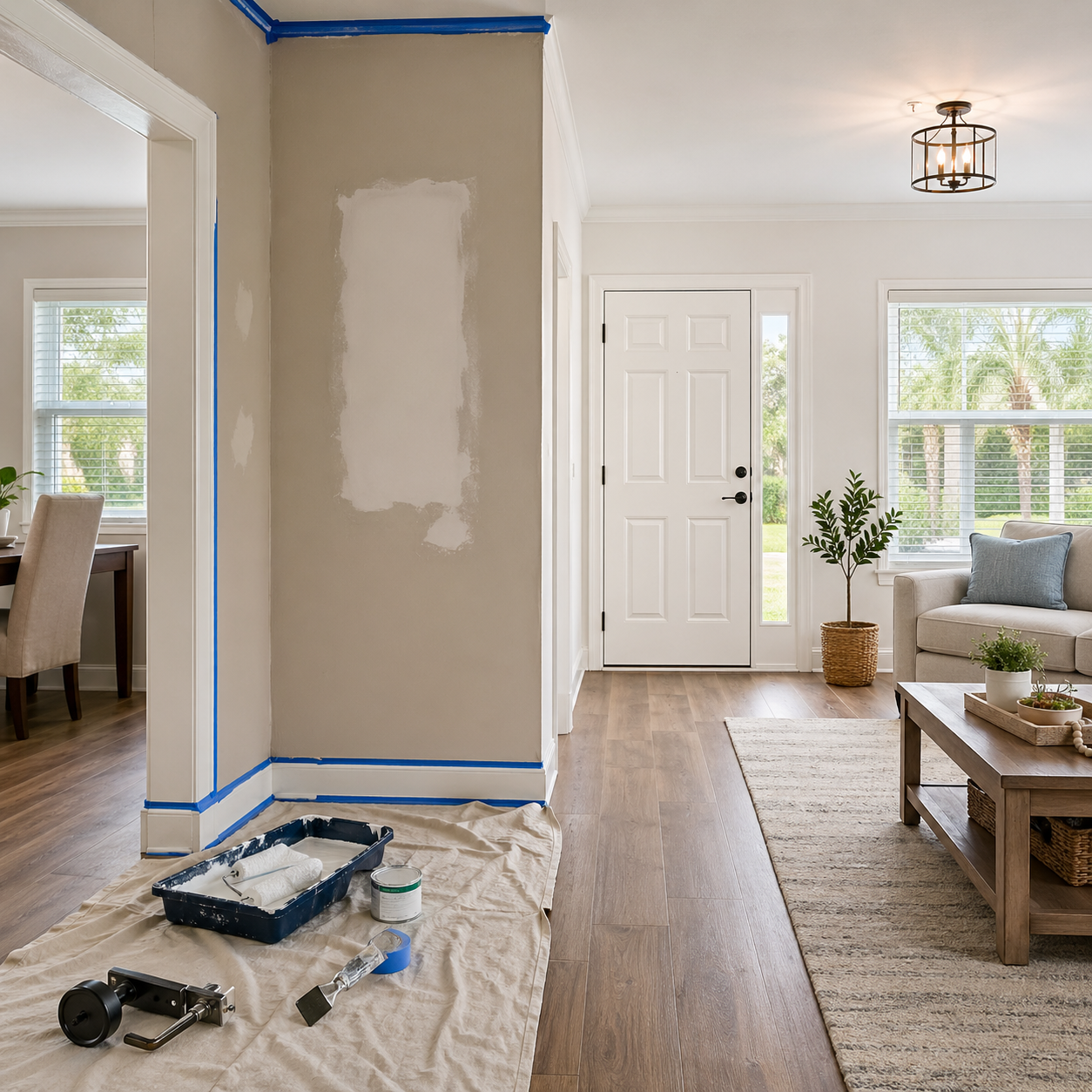
- Cheap patching can backfire: Poor drywall repairs, bad paint matching, sloppy caulk, loose hardware, or rushed work may make the home look worse.
- Shortcut repairs can create bigger problems: Paint should not hide moisture damage. Caulk should not cover failed material. A door should not be forced to “work for now” if the frame, hinge, or weatherstripping issue still needs attention.
- Repair work is only one part of the selling plan: Realtors may also advise on pricing, staging, cleaning, landscaping, curb appeal, photography, and timing.
What Drives the Cost of Turnover Repair Services
The cost of a turnover is driven by more than the number of visible items on the list.
It depends on the condition of the property, the number of repair categories involved, material choices, access, urgency, sequencing, and what is found once work begins.
A turnover may include:
drywall repair, interior painting, trim replacement, door adjustments, cabinet touch-ups, caulking, screen repair, minor plumbing items, fixture replacement, shelving repair, hardware replacement, smoke detector replacement, fence or gate repair, and exterior touch-ups.
One or two of those may be simple. Twenty of them become a coordination problem.
That is why one trusted contact can matter so much. A property owner may technically be able to call separate people for paint, drywall, doors, screens, plumbing, trim, and hardware. But then the owner becomes the project manager.
And most owners already have a full life.
They have jobs, kids, school pickups, tenants, agents, family obligations, travel, and daily problems that do not pause just because a property needs repairs. The hidden cost of turnover work is not only the repair bill. It is the time, attention, phone calls, follow-ups, missed appointments, and decision fatigue that come with trying to manage several contractors while life is still happening.
In Central Florida, hidden conditions can also affect cost. A swollen baseboard may point to an old leak. A soft exterior trim board may reveal water intrusion. A sticking door may involve hinges, weatherstripping, settlement, or moisture. Cracked caulk may not just look bad — it may mean rain has been getting behind the surface.
This is where turnover work connects directly to routine home maintenance.
Many turnover repair lists are really deferred maintenance lists with a deadline. The sticking door, cracked caulk, loose fixture, drywall damage, soft trim, or small leak may have been easy to ignore while the home was occupied. But when the property needs to be rented, listed, inspected, photographed, or handed to a buyer, those issues suddenly become visible and urgent.
That is why waiting on home repairs rarely makes them disappear. It usually just moves the decision into a more stressful moment.
Another major cost driver is urgency.
In turnover work, speed to quote matters almost as much as speed to completion. A landlord losing rent or a seller trying to meet a listing deadline cannot wait weeks for a vague estimate. They need someone to look at the property, organize the scope, explain the priorities, and help them make a practical decision.
The question is not:
“How much would it cost to fix everything?”
The better question is:
“Which repairs are most likely to protect value, restore function, reduce objections, and support the next step?”
That is the difference between a repair list and a smart turnover plan.
The Real Monthly Cost of Waiting
One of the most overlooked costs in turnover work is indecision.
Owners may spend days or weeks tossing around repair ideas, getting partial opinions, waiting on callbacks, comparing incomplete quotes, or hoping the market will overlook the issues. That delay can feel harmless in the moment.
But an empty or unsold property keeps costing money.
For a Central Florida rental, one extra month of vacancy can easily mean roughly $1,900–$2,500+ in missed rent, depending on the property type, bedroom count, condition, and location. Zillow currently shows Orlando’s average rent at about $1,950 per month, while other rental data sources show three-bedroom rentals can run higher. (Zillow)
For a home being prepared for sale, the carrying cost can also add up quickly. Redfin’s Orlando housing data for March 2026 showed a median sale price of about $410,000, with homes averaging 54 days on market. Another month can mean another mortgage payment, insurance payment, utility bill, HOA dues, lawn care, pool service, and general holding cost. (Redfin)
That does not mean every owner should approve a large repair package overnight. It does mean delay has to be part of the math.
The repair quote is visible. The cost of waiting is quieter — but it can be just as real.
A $7,500 turnover package may feel expensive until the property sits another month, loses rent or carries another mortgage payment, still needs the same repairs, and now has another round of utilities, lawn care, insurance, and stress attached to it.
In turnover work, speed is not only about convenience.
Sometimes speed protects money.
Typical Cost Breakdown
At the time of publishing, many Central Florida turnover repair projects fall into these broad ranges:
Small punch-list turnover: $750–$2,500
This may include minor drywall repair, caulking, door adjustments, screen repairs, basic trim fixes, touch-up painting, hardware, or simple fixture replacement.
Moderate rental or pre-sale refresh: $2,500–$7,500
This may include multiple drywall repairs, several rooms of paint, trim work, cabinet adjustments, minor plumbing or fixture work, shelving repair, exterior touch-ups, and general punch-list coordination.
Larger pre-sale repair and readiness package: $7,500–$20,000+
This may include interior painting, larger drywall and trim repairs, exterior wood or siding repair, door replacement, multiple fixture updates, moisture-related repairs, fence or gate work, and inspection-related corrections.
These ranges can move quickly depending on the home.
A property that looks a little tired may only need targeted cosmetic and functional repairs. A property that looks neglected may reveal deeper maintenance issues once the work begins.
This is also where owners need to be careful with the idea of “ROI.”
Turnover repairs should be viewed as value protection, not a guaranteed return. A good repair package can help the home show better, photograph cleaner, reduce obvious objections, and move through inspection with fewer avoidable issues. But repairs do not control the final sale price.
Pricing strategy, buyer demand, interest rates, appraisals, insurance concerns, competing inventory, builder incentives, location, layout, and negotiation all play a role.
That is why the smartest repair plan is not always the biggest one.
The goal is to remove the issues most likely to create doubt without over-improving the home beyond what the market will reward.
Evidence-Informed Turnover Priority List
Not every turnover item deserves the same urgency. Research from the National Association of Realtors and other housing sources consistently points to cleaning, decluttering, paint, curb appeal, and visible condition as high-priority pre-sale items. Larger upgrades may still make sense, but only when the expected value protection is clear.
NAR’s 2025 Profile of Home Staging found that agents most commonly recommended decluttering the home, entire-home cleaning, and improving curb appeal before sale. NAR’s 2025 Remodeling Impact Report also found that Realtors most often recommended painting the entire home, painting one room, and new roofing before listing. (NAR)
Here is a practical priority order for many Central Florida turnover situations:
Clean, declutter, and remove obvious neglect
This is not glamorous, but it matters. Buyers and renters judge quickly. A dirty, cluttered, or neglected-looking home makes every other issue feel worse.Repair visible damage and rough finishes
Drywall holes, damaged trim, stained caulk, broken screens, loose hardware, and obvious patch marks create doubt. These are the small issues that make people wonder what else has been ignored.Paint where it changes the feel of the home
Full interior painting or targeted room painting can make a property feel cleaner, brighter, and better cared for. This is one reason Realtors often recommend painting before listing. NAR reported that painting the entire home was the top project Realtors recommended sellers complete before selling. (National Association of REALTORS®)Fix functional items buyers, tenants, or inspectors will notice
Doors should close. Locks should work. Fixtures should function. Faucets should not drip. Smoke detectors should be present and working. These items may not be flashy, but they affect trust.Address moisture, safety, and inspection-risk items
Active leaks, soft trim, damaged exterior caulk, unsafe electrical items, plumbing concerns, roof concerns, and suspected water intrusion should not be treated as cosmetic. In Central Florida’s humidity and storm-heavy climate, moisture concerns can become major objections fast.Improve curb appeal where the home looks tired from the street
Exterior touch-ups, pressure washing, screen repair, front door condition, trim repair, and basic entry-area improvements can shape the first impression before anyone steps inside.Coordinate with the Realtor on staging, landscaping, and photo-readiness
House Doctors of Orlando can support repair readiness, but the Realtor should guide the broader sales strategy. Staging, pricing, photography, and market positioning belong in the Realtor’s lane.Be cautious with major upgrades unless the math is clear
Full remodels, major system upgrades, attic insulation upgrades, and large optional improvements may be valid in some cases, but they should be weighed against expected market reward. Cost-vs-value reports can provide helpful context, but they are not guarantees for any specific home.
The point of this list is not to say every home needs the same repairs. It is to keep the owner focused on what usually affects confidence first: cleanliness, visible condition, basic function, safety, moisture risk, and presentation.
In plain terms: fix what makes the home feel neglected, correct anything that affects function or safety, avoid cosmetic cover-ups, and do not spend heavily on upgrades unless the market case is clear.
Common Turnover Repair Options & Choosing the Right System
Turnover work is not one-size-fits-all. The right repair plan depends on what the property needs to do next.
For a rental turnover, the goal is usually durability, safety, tenant readiness, and fewer service calls. That may mean stronger hardware, practical paint choices, secure shelving, working doors, repaired screens, clean caulk, functional fixtures, and small repairs that hold up to daily use.
But rental turnover work should not mean doing the least possible to get another tenant in the door. A properly turned-over rental should be clean, functional, safe, and repaired well enough to perform as intended. Quick patches that hide leaks, moisture damage, loose fixtures, unsafe conditions, or failing materials usually create larger problems later.
For pre-sale home preparation, the goal is different. The property needs to show well, photograph cleanly, reduce visible repair concerns, and support the Realtor’s larger selling strategy. That may involve drywall repair, interior paint, trim touch-ups, door repairs, fixture updates, fresh caulk, exterior repairs, and correcting obvious issues before buyers or inspectors find them.
For inspection response, the focus shifts again. The owner may need fast help reviewing inspection items, separating urgent repairs from routine maintenance, and addressing the items that could create closing friction.
That follow-through matters.
Even with a careful walkthrough, a pre-sale inspector may still find something later. That does not always mean the first repair list was wrong. Inspectors look at homes through a different lens. They may flag safety concerns, installation issues, aging components, moisture signs, or small defects that were not obvious during prep.
The goal is not to hide problems or argue with legitimate inspection findings. The goal is to address real repair needs clearly, properly, and quickly so everyone has more confidence in the property.
A strong turnover partner can help an owner or agent understand what the item means, whether it needs repair, whether it is cosmetic, whether another licensed trade may be required, and how quickly it can be handled.
That can prevent small findings from becoming bigger negotiation points than they need to be.
One recent House Doctors of Orlando client described the team as professional, knowledgeable, and willing to go above and beyond after handling several home repairs and interior painting. The client said the home looked “even better than we anticipated.” That kind of outcome matters in turnover work because the goal is not just finishing tasks. The goal is helping the property feel ready for what comes next.
Decision Guide: What Should You Fix Before Listing, Renting, or Closing?
Start with the next step.
Is the property being rented, listed for sale, photographed, inspected, or prepared for a final walkthrough? The next step determines the repair priorities.Look at what creates doubt first.
Damaged drywall, stained caulk, broken screens, loose trim, sticking doors, tired paint, and missing hardware can make a home feel poorly maintained fast.Separate function from appearance.
A scuffed wall and a leaking valve are not the same problem. Both may matter, but one affects presentation while the other may affect risk.Correct issues properly, not cosmetically.
Paint should not hide moisture damage. Caulk should not replace failed material. A quick patch should not leave the next tenant, buyer, or owner with the same problem.Consider the competition.
In many parts of Central Florida, older homes are competing against new builds, renovated properties, and rentals that look cleaner online. The goal is not to hide the age of the home. It is to remove the easy objections.Compare repair cost to protected value.
Do not fix everything just because it can be fixed. Spend where the repair helps protect rent, sale value, buyer confidence, or closing momentum.Add the cost of delay to the decision.
Waiting another month may mean lost rent, another mortgage payment, insurance, utilities, HOA dues, lawn care, pool service, and more stress. Delay is not always free.Coordinate with the Realtor’s full selling plan.
Repair work should support the larger strategy, including pricing, staging, cleaning, landscaping, photography, and timing. House Doctors of Orlando can support repair readiness, but Realtors should guide the broader market strategy.Choose a partner who can follow through.
The first punch list may not be the last. Inspection items, buyer requests, tenant move-in concerns, and final walkthrough issues can still appear.Be clear about what repairs can and cannot do.
Repairs can improve condition, presentation, function, and confidence. They cannot control the market, buyer behavior, appraisals, interest rates, or final negotiations.
Long-Term Ownership & Maintenance
A good turnover does more than prepare a home for the next tenant, buyer, or showing. It can also reveal patterns.
If the same door keeps sticking, the same caulk keeps failing, the same trim keeps softening, or the same exterior area keeps showing damage, repeated patching may no longer be the best answer.
Central Florida’s humidity, storms, pests, and sun exposure can turn small maintenance issues into recurring problems. A cheap patch may get the property through one showing or one lease cycle, but it may cost more over time if the underlying issue keeps coming back.
For landlords and property managers, better turnover work can reduce tenant complaints and future service calls. For sellers, targeted repairs can reduce obvious repair concerns before the home reaches the market. For agents, a cleaner repair list can help keep the process moving with less friction.
This is where turnover work ties back to routine home maintenance. The better a property is maintained throughout ownership, the less painful the turnover usually is.
Waiting does not always save money. Often, it simply moves the repair into a more stressful and time-sensitive moment.
The point is not to spend more than necessary.
The point is to spend where it matters — and not spend so long deciding that the property quietly costs another month.
A tired-looking home gives buyers and renters permission to discount it. A well-prepared home makes them work harder to justify a low offer or quick rejection.
Conclusion
Turnover repairs are not about making every property perfect. They are about making smart decisions under pressure.
For Central Florida landlords, sellers, property managers, Realtors, and homeowners, the right repair plan can help a property show better, rent faster, reduce obvious repair concerns, and move through the next step with fewer surprises.
But repairs are not magic. They do not guarantee a sale price, control the market, or replace a Realtor’s pricing and selling strategy.
And waiting is not neutral.
Every extra week can add missed rent, another mortgage payment, insurance, utilities, lawn care, HOA dues, and more decision fatigue. Sometimes the cost of doing nothing is not obvious until another month has passed.
The best turnover work is built around speed, judgment, coordination, proper repair, and follow-through.
That means identifying what matters, moving quickly, avoiding unnecessary over-improvement, refusing shortcut cover-ups, and staying available when the next question or inspection item appears.
A reliable turnover partner should be willing to say when a repair is necessary, when a repair is optional, when a licensed trade may be needed, and when spending more may not make sense.
House Doctors helps Central Florida property owners handle turnover repair lists with practical judgment and reliable follow-through. When time matters and the details are stacking up, one trusted repair partner can help make the property more ready, more credible, and less vulnerable to avoidable problems.